
Loading...
Serving Sioux City, IA and surrounding areas. (712) 569-1146
Sunken driveway, tilted patio, or sinking sidewalk in Sioux City? We lift settled concrete slabs back to level - most jobs are done in a single visit, usable the same day.
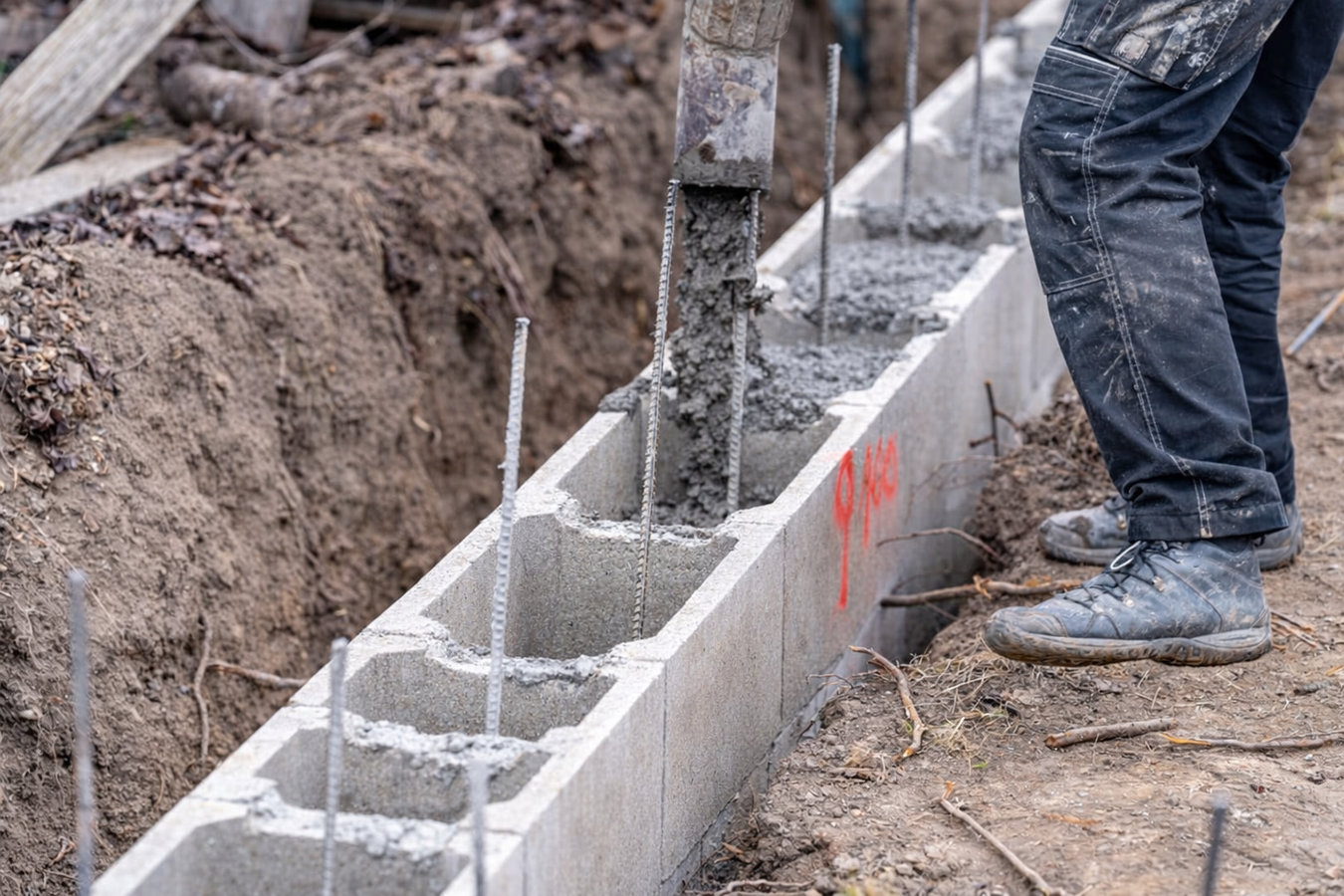
Foundation raising in Sioux City lifts a sunken concrete slab back to its original level by pumping material into the void underneath it - most residential jobs take a few hours and the slab is usable again the same day or the next morning.
If you have a driveway, sidewalk, patio, or garage floor that has settled or tilted, you have two real options: lift it or replace it. Lifting - sometimes called mudjacking or slab raising - costs a fraction of full replacement and causes far less disruption. The concrete itself is usually not the problem. What has changed is the ground underneath it. Soil washes away, compresses, or shifts during freeze-thaw cycles, leaving a void that the slab slowly drops into. Filling that void and pushing the slab back up is a well-established repair that works in Sioux City's climate when it is done correctly.
Foundation raising is a separate service from structural foundation work on the walls and footings of your house. If you are seeing cracks in your walls or doors that will not close, you may need a structural specialist. But if the problem is a slab that has tilted or dropped, raising is worth exploring before committing to a full replacement. If you are also dealing with deeper structural issues, our foundation installation service handles new construction and full foundation work from the ground up.
Stand at one end of your driveway, sidewalk, patio, or garage floor and look down its length. If it looks like a ramp where it used to be flat, or if water pools where it never used to, the slab has likely sunk on one side. This is the clearest sign the ground beneath it has shifted.
If a crack or tilt seems to appear or get worse every spring, Sioux City's freeze-thaw cycle is almost certainly the cause. The ground heaves and settles each winter, and by March or April the slab has moved again. Recurring spring problems mean the underlying soil movement needs to be addressed.
If you can see a gap opening between your garage floor and the wall, between a sidewalk slab and your front steps, or between a patio and the house foundation, the slab is pulling away as it sinks. That gap lets water in underneath, which speeds up the settling and washes away more soil.
Sioux City gets significant spring rainfall, and if a sunken slab is directing water toward your home instead of away from it, you have a drainage problem on top of a settling problem. Water sitting against your foundation can work its way into your basement. If puddles form near the house after rain that were not there before, check whether a nearby slab has tilted toward the house.
We offer two foundation raising methods: mudjacking and polyurethane foam lifting. Mudjacking pumps a cement-and-soil slurry through drilled holes in the slab, filling the void underneath and pushing the concrete back up. It has been used for decades, works well on large slabs, and is typically the lower-cost option. The holes drilled for mudjacking are slightly larger than those used for foam, but they are patched before the crew leaves. For homeowners dealing with the softer, moisture-prone soils found in parts of Sioux City near the Missouri River, foam lifting is worth considering because the material weighs far less and is less likely to compress weak soil further.
Both methods address the same core problem - a void under the slab - and both leave you with a level surface. The right choice depends on the size of the slab, the soil conditions underneath it, and your budget. We also offer concrete cutting when sections are too deteriorated to raise and need to be removed and replaced instead. If the slab is salvageable, lifting is the faster, lower-cost path - and we will tell you honestly which situation you are in.
Best for large slabs and homeowners who want the proven, lower-cost approach on stable soil.
Lighter fill material, smaller holes, and faster cure time - suited for moisture-prone soils near the river floodplain.
For sunken or tilted sections of a concrete driveway where the slab is still in solid shape.
Lifts individual slab panels that have settled or created a trip hazard at the joint between sections.
Sioux City sits in a climate zone where the ground freezes deep every winter - sometimes 40 to 60 inches down in a hard year - and then thaws again in spring. That repeated expansion and contraction is one of the most common reasons concrete slabs sink over time. Every freeze-thaw cycle moves the soil slightly, and over years or decades, those small movements add up. Many homeowners notice new settling problems in March or April, right after the ground has gone through its worst movement of the year. If you are seeing a problem in spring, you are not alone - it is the most common time for these calls in this part of Iowa.
The soil conditions in Sioux City add another layer of complexity. Much of the city is built near the Missouri River valley, where soils can include silty and clay-heavy layers that hold water, swell when wet, and compress when dry. Lower-lying neighborhoods are more likely to see recurring settling than those on higher ground. Communities like South Sioux City across the river and areas around North Sioux City deal with similar floodplain-influenced soil conditions, and we work in both areas regularly. The USDA Natural Resources Conservation Service documents the soil types that affect this region, and knowing them guides how we approach each repair.
When you reach out, we ask a few basic questions - where the problem is, roughly how big the area is, and how long you have noticed it. We schedule a free on-site visit within one business day to walk the slab with you and give you a written price before any work starts.
We check the size and pattern of any cracks, how far the slab has dropped, and what likely caused the settling. If lifting is the right fix, we tell you which method suits your slab and soil. If replacement is the better path, we say so - you will not be sold a repair that will not hold.
The crew drills small holes in the slab and pumps material through them to fill the void and push the slab back to level. They check the level as they go, adjusting until the surface is back where it should be. Most residential jobs are done in a single visit.
Once the slab is level, we patch the drilled holes with a concrete mix and clean up the work area. For the foam method, you can use the surface within 15 to 30 minutes. For the slurry method, walking is fine the same day and driving is safe within 24 hours.
We respond within one business day and can usually schedule your free on-site estimate within the same week. You get a written price before any work starts - no obligation, no pressure.
(712) 569-1146Lifting a slab without looking at drainage or soil conditions is a short-term fix. We look at what caused the settling and tell you whether a grading or drainage adjustment will help the repair hold longer. That is the difference between a repair that lasts a decade and one that needs redoing in two years.
You get a written estimate that spells out the method, the area, and the total cost. The number you agree to is the number on the final invoice. Sioux City homeowners should never be surprised by add-on charges after the crew arrives.
We work across the entire tri-state metro - from older Morningside neighborhoods to lower-lying areas near the Missouri River bottomlands. We know which soils in this region create the most repeat settling problems and how to account for them when planning a repair.
Unlike a full slab replacement that takes a week before you can drive on it, most foundation raising jobs in Sioux City are done in a single visit and usable the same day or the next morning. Your life is not put on hold for a week while concrete cures.
When you combine honest assessments, a flat written price, and methods matched to Sioux City soil conditions, you get a repair that actually holds - not one that looks right in spring and starts settling again before the next winter is over.
More questions? The American Concrete Institute covers concrete repair standards in detail, or send us a message and we will answer your specific question directly.
When a slab is too far gone to raise, we cut it out cleanly and prepare the area for a fresh pour - no ragged edges, no unintended cracks spreading outward.
Learn moreNew construction or full foundation replacement - we pour new concrete foundations from the footings up for additions, sheds, garages, and homes.
Learn moreSpring books fast - reach out now before the post-thaw rush fills our schedule and your settling slab has another wet season working against it.