
Loading...
Serving Sioux City, IA and surrounding areas. (712) 569-1146
Building new or replacing a failing foundation in Sioux City? We install foundations designed for Iowa frost depth and clay soil - with drainage built in and every permit handled for you.
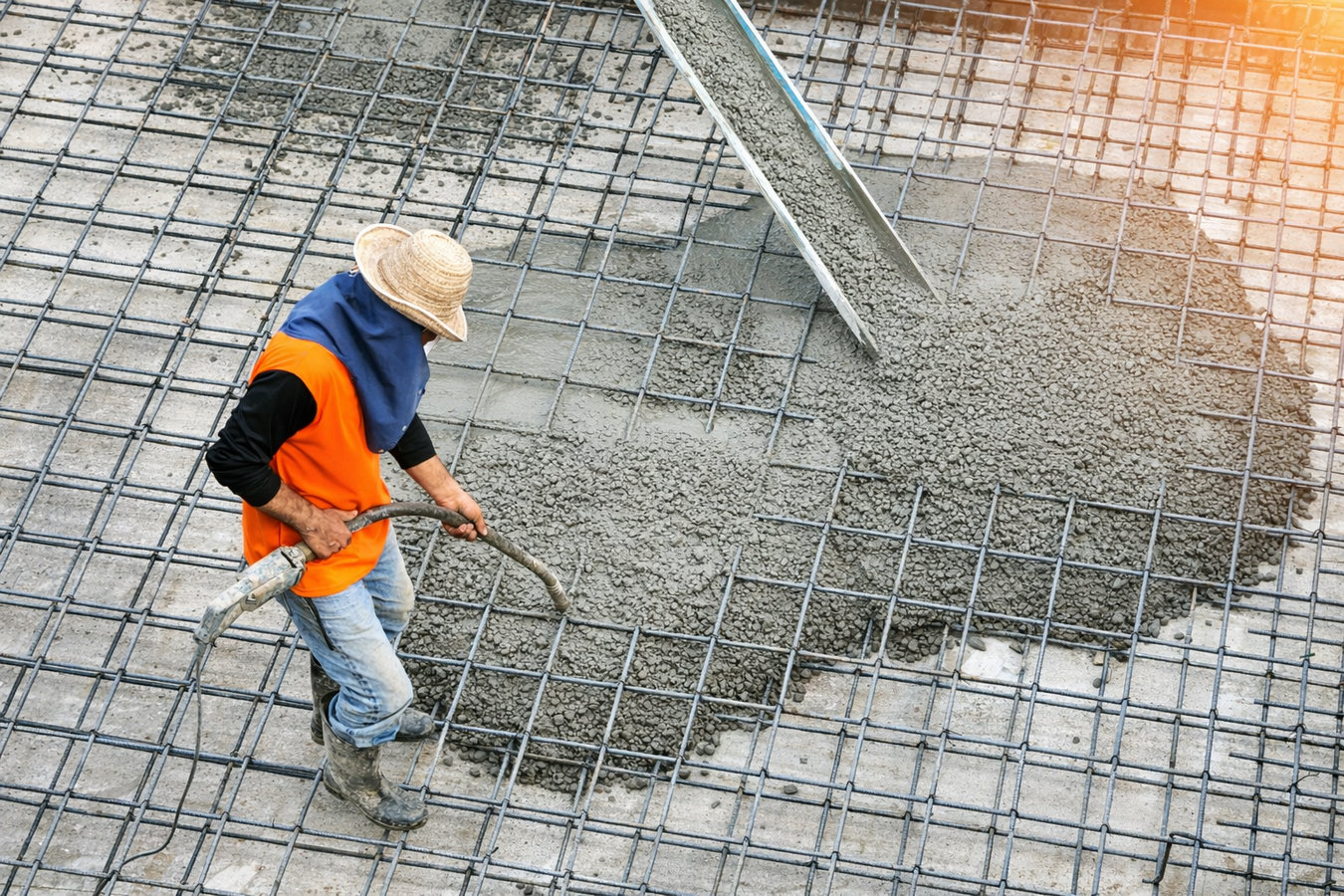
Foundation installation in Sioux City covers the full system that your home sits on - excavation, footings, foundation walls, waterproofing, drainage tile, and backfill - most residential projects run three to five weeks from permit to a foundation ready for framing.
The biggest thing that separates a foundation that lasts from one that fails in Sioux City is how it handles two local realities: the ground freezing deep every winter, and the clay-heavy soil holding water rather than draining it. A foundation that accounts for both - with footings set at the right depth and drainage designed for this specific soil - is one that stays dry and stable. A foundation that cuts corners on either tends to show it within a few years. Sioux City has a lot of pre-1960 homes with original foundations that are now reaching the end of their useful life, and we do replacement work as well as new pours.
If your project is specifically a flat slab - for an addition, garage, or new construction without a basement - our concrete parking lot building experience gives us the same base prep and drainage expertise for larger flat pours that we apply to residential foundations. We also offer foundation raising for properties where the existing foundation has settled and needs to be lifted rather than fully replaced.
Small hairline cracks in concrete are normal as a foundation settles, but cracks you can fit a coin into - especially ones that are wider at one end than the other - signal something more serious. In Sioux City, the combination of clay soil movement and hard freeze-thaw winters accelerates this kind of cracking. If new cracks appear each spring or existing ones keep growing, have a professional assess the foundation before next winter.
When a foundation shifts, the frame of your house moves with it - and that movement shows up first in your doors and windows. If interior doors that used to swing freely now drag on the floor, or windows require force to open and close, your foundation may be moving. This is worth watching for in Sioux City homes after a wet spring or a hard winter, when soil movement is at its peak.
Standing water or damp patches on your basement floor after a heavy rain or spring snowmelt signals that your foundation's drainage is failing or was never adequate. Sioux City's clay soil does not absorb water quickly, so it tends to pool against foundation walls and find any crack or gap to enter through. Water intrusion weakens concrete over time and can lead to full foundation failure if left unaddressed.
Stand in your basement and look along the length of each wall. If any wall curves inward - even slightly - soil pressure from outside is pushing against it. This is a more urgent warning sign than cracking alone because a bowing wall can eventually collapse inward. Sioux City's expansive clay soils are a known contributor to this type of lateral pressure on foundation walls.
We install full basement foundations, crawl space foundations, and slab-on-grade foundations for new residential construction in Sioux City and the surrounding area. Every project includes excavation, footing design and placement, foundation wall forming and pouring, exterior waterproofing, perimeter drainage tile, and compacted backfill. The drainage system is not an add-on - it is a core part of every foundation we install, because Sioux City's clay soil makes proper drainage the difference between a dry basement and a chronically wet one.
We also replace existing foundations under older Sioux City homes - a more complex project that involves temporarily supporting the structure while the old foundation is removed. This is different from a straightforward new pour, and it requires specific experience with the sequencing and support methods involved. If you are considering a foundation replacement, tell us about the age and construction of your home when you reach out - that context shapes the estimate and the approach significantly.
For new home construction where a full below-grade living or storage space is part of the plan - includes footings, walls, drainage, and waterproofing.
A shallower alternative to a full basement for homeowners who want access below the floor without the cost of a full excavation.
A flat concrete pad that serves as both foundation and floor - suited for ranch-style homes, additions, and new outbuildings.
Replacement of aging stone, brick, or early poured-concrete foundations under existing Sioux City homes, including temporary structural support during the transition.
Two factors shape nearly every foundation project in Sioux City: the depth the ground freezes in winter, and the clay content of the soil. Iowa's frost depth in this part of the state can reach 42 inches or more under Iowa building requirements - and footings that do not reach below that depth will shift when the ground freezes and expands around them every winter. This is not a theoretical risk. You can see the results in the cracked, bowing basement walls in older Sioux City neighborhoods where original foundations were installed to a different standard.
The Missouri River corridor adds a drainage dimension that affects properties throughout the Sioux City metro. Communities like Vermillion, SD and Yankton, SD to the north share similar soil and drainage conditions. In all of these areas, clay soil that holds water rather than draining it puts ongoing lateral pressure on foundation walls. Properties near the floodplain may carry a flood zone designation that affects what foundation type is appropriate - and a contractor who does not check that before designing your foundation is one who may be setting you up for problems with your insurance or your lender down the road.
We visit your property to assess the lot - soil conditions, drainage, flood zone status, and whether this is a new pour or a replacement under an existing structure. You receive a written estimate that covers excavation, footings, foundation walls, drainage, and permits. New pours and replacements have very different scopes, so we do not quote until we have seen the site.
We apply for the City of Sioux City building permit and coordinate underground utility marking through Iowa One Call before any digging begins. The permit process typically takes one to two weeks. We keep you informed of the timeline so you know when to expect the crew on-site and can plan accordingly.
The crew excavates the foundation area - expect significant disruption to your yard during this phase. Footings are formed and poured first. A city inspector visits before the foundation walls are poured to verify footing depth and placement. This inspection is your protection: it is an independent check before any concrete is permanently in place.
Once footings pass inspection, the foundation walls are formed and poured. After the forms come off, the crew applies waterproofing to the exterior walls, installs perimeter drainage tile, and backfills with gravel and soil. This drainage step is especially critical in Sioux City's clay soils. The city conducts a final inspection to close the permit, and we walk you through the curing period and what comes next.
We reply within one business day. Free site visit and written estimate, permits managed start to finish, no sales pressure.
(712) 569-1146We design every foundation with footings placed at the depth Iowa's winter conditions actually require - not a number that sounds reasonable but a depth verified against local frost data. That is the single most important factor in whether a Sioux City foundation stays stable through its first decade.
We handle every step of the City of Sioux City permit process - application, scheduling inspections, and closeout. Your project is on the city's books with an independent inspector having signed off at every critical stage. That paper trail protects you in any future transaction involving your home.
Sioux City's clay-heavy soil is one of the biggest long-term threats to any foundation here. We design the drainage layer - gravel backfill, drainage tile, and exterior grading - around this specific soil type, not a generic spec. That is what separates a dry basement from a wet one five years after the project is done.
We know Sioux City's older housing stock - the pre-1960 homes where original stone or brick foundations are reaching the end of their life - and the newer subdivisions on the south side where new builds are moving quickly. Local knowledge shortens timelines and reduces surprises on a project this size.
The University of Minnesota Extension notes that foundation type selection and drainage design are the two most consequential decisions in a residential foundation project - and both depend on local soil and climate conditions. In Sioux City, those conditions are specific enough that local experience is not a nice-to-have; it is what separates a foundation that performs from one that becomes a recurring repair problem.
For permit and inspection requirements, City of Sioux City Community Development is the official source. For flood zone status on your specific property, check the FEMA Flood Map Service Center before finalizing any foundation plan near the Missouri River corridor.
Commercial and residential parking lots poured with the same base prep and drainage discipline we apply to foundation work.
Learn moreFor foundations that have settled and need to be lifted rather than fully replaced - a targeted solution that costs less than full replacement when it applies.
Learn moreSpring booking slots fill quickly - reach out now for a free site visit and written estimate before the best weather windows are taken.