
Loading...
Serving Sioux City, IA and surrounding areas. (712) 569-1146
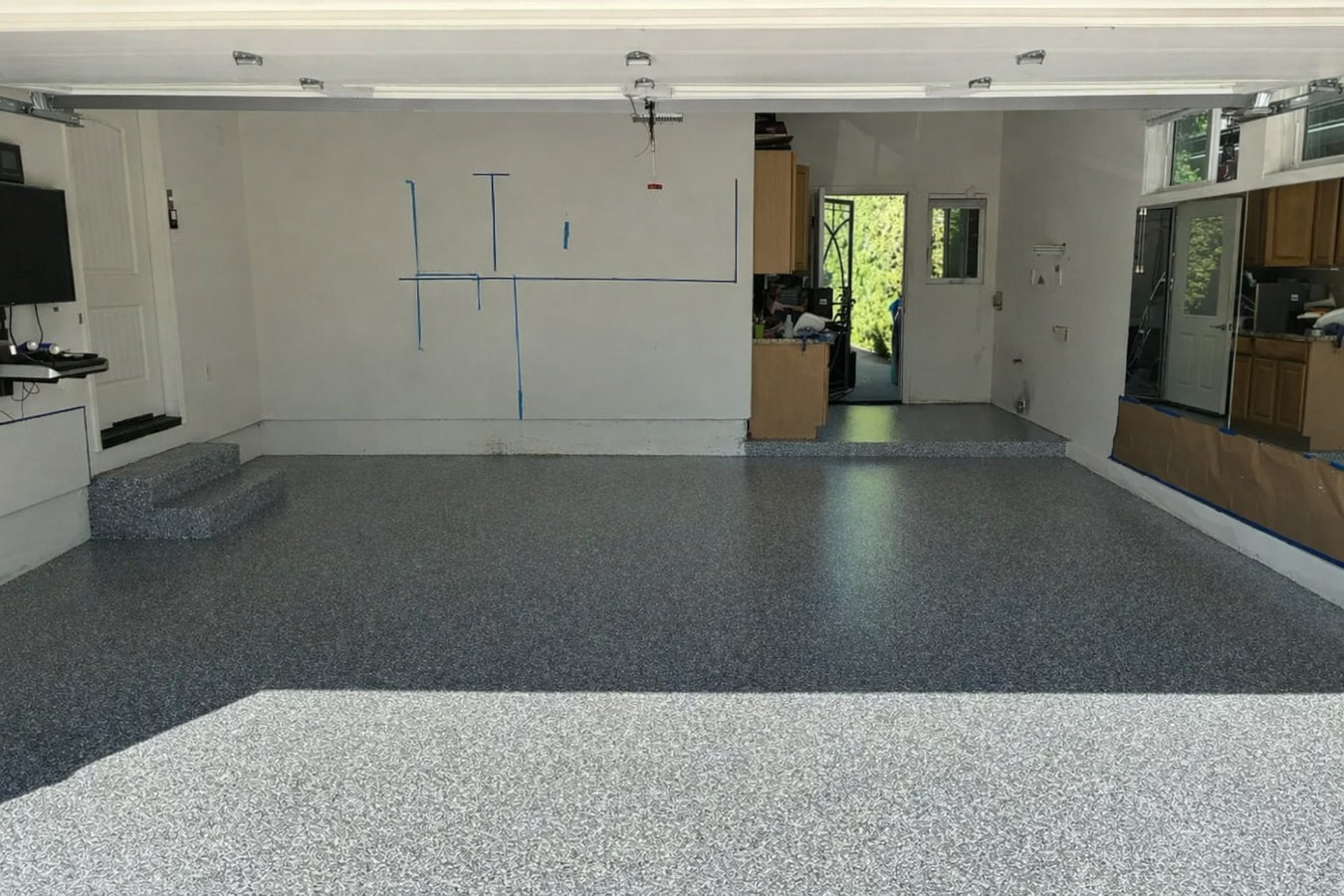
Cracked basement floor, moisture coming up through the slab, or a garage floor that keeps flaking? We install new concrete floors in Sioux City built for Midwest winters and older housing stock.
Concrete floor installation in Sioux City covers removing your old slab if one exists, preparing the ground underneath with compacted gravel and a moisture barrier, pouring fresh concrete, and finishing the surface - most basement and garage floor jobs take one to three days of active work, with about a week of wait before the space is ready for normal use.
Sioux City has a lot of housing stock from the 1950s through the 1970s - neighborhoods like Morningside, Leeds, and the North Side are full of homes where the basement floor has never been touched. Those original slabs were poured thinner, often without reinforcement, and without the moisture barriers that are standard today. Decades of freeze-thaw cycles and wet soil do slow damage to concrete from the inside out. By the time you see cracking or moisture, the slab has often been working against you for years.
If your basement floor project is part of finishing the space for living or storage, our garage floor concrete work handles the same scope for attached garages - both projects often make sense to tackle at the same time since the crew and materials are already mobilized.
Small hairline cracks in a concrete floor are common and often harmless. But cracks that are wider than a pencil, cracks where one side is higher than the other, or cracks that keep growing are telling you the slab is failing. In Sioux City's older neighborhoods - Morningside, Leeds, the North Side - original floors poured without modern reinforcement often reach this point after decades of freeze-thaw stress.
Damp patches, white powdery residue, or puddles forming on your basement floor after a wet spell mean moisture is moving up through the slab. This is common in Sioux City homes near the Missouri River corridor, where soils hold water and ground moisture levels stay high. A new slab with a proper vapor barrier underneath stops this cycle and protects what you store or finish in that space.
A noticeable dip, hump, or slope when walking across your basement or garage floor means the slab has settled unevenly. This happens when the soil beneath shifts - something that occurs more often in areas with expansive or flood-affected soils. An uneven floor is not just uncomfortable; it causes problems if you ever want to add flooring on top or finish the space.
If the surface of your garage floor is breaking apart in patches - flaking, pitting, or crumbling - it is called spalling, and it usually means the top layer has been damaged by years of road salt and freeze-thaw stress. Once spalling starts it tends to spread, and patching only goes so far before a full replacement makes more financial sense.
We install basement floors, garage floors, utility room floors, and interior slab-on-grade surfaces. Every project starts with a proper substrate assessment - we check the existing soil or sub-base, identify any moisture issues, and determine whether the old slab needs to come out entirely or whether a partial removal makes more sense. Standard residential floors are poured at four inches, with a five or six-inch option for spaces that will hold vehicles or heavy equipment. Reinforcement - either welded wire mesh or rebar - is included whenever the application calls for it.
For homeowners finishing a basement, the floor is where everything else starts. Once the slab is in and level, you can lay flooring, frame walls, and use the space the way you intended. We can also coordinate this work with our concrete pool decks work for outdoor slab-on-grade projects if you are improving multiple concrete surfaces around your property at the same time. Finishing options include a smooth trowel finish, a broom texture for added grip, or a surface ready for staining or sealing.
Full slab removal and new pour with vapor barrier - right for older Sioux City homes with failing or moisture-prone floors.
Four to six inches depending on vehicle type, with a broom or smooth finish and optional surface sealer for road salt protection.
New concrete floors for utility rooms, workshops, or unfinished spaces being converted to living or work areas.
Thicker slabs with rebar or wire mesh for homeowners who will store heavy equipment or vehicles on the floor regularly.
Sioux City has two conditions that affect concrete floor work more than most places: a significant portion of homes from the mid-20th century with original slabs that have never been replaced, and soils - particularly near the Missouri River corridor - that are prone to settling and holding moisture. Those two things together mean that a simple floor replacement here involves more substrate assessment than it would in a newer suburb. Contractors who do not routinely work in Sioux City may not build in the steps that these conditions require. The Portland Cement Association's cold-weather concreting guidelines cover the practices we follow when temperatures drop into the shoulder seasons here - because a pour rushed through cold conditions is a pour you will regret.
Parts of the city near the river and lower-lying areas have soils that hold water long after rain stops. In neighborhoods like Sioux City proper and communities like South Sioux City just across the Missouri, vapor barriers under basement slabs are not a nice-to-have - they are what keeps the floor dry five years from now. We have seen what happens when that step gets skipped on older homes in this area, and we do not skip it.
You describe the space and we typically ask for the square footage and a few photos or a quick walkthrough. Most jobs require an in-person visit before we give a firm price - the condition of the existing floor and the soil beneath it can change the scope of work significantly. You receive a written estimate that breaks down labor and materials separately.
Before any work begins, we assess the existing floor, check for moisture issues, and determine how much base preparation is needed. We confirm whether a permit is required for your project - it usually is for basement floors in habitable spaces - and handle that paperwork on your behalf. We respond to all inquiries within one business day.
You empty the space completely - furniture, appliances, and stored items off the floor. The crew removes the old slab if one exists, excavates or grades the ground as needed, and lays a compacted gravel base. If a vapor barrier is going in, it gets placed at this stage. This prep work is the foundation of a long-lasting floor and may take a full day on its own.
Concrete is poured, spread evenly, and finished with a smooth trowel or textured broom finish depending on what was agreed. The space stays off-limits for at least 24 hours. In Sioux City's colder months we use insulating blankets to protect the slab during curing. Once the floor has cured we walk the space with you and address any concerns before the job is considered complete.
We respond within one business day and can usually schedule your free on-site estimate within the same week. No obligation, no pressure - just a straight look at what your floor needs and what it will cost.
(712) 569-1146We install a moisture barrier under every basement slab - not as an upgrade, but as standard. Ground moisture wicking up through a slab is one of the most common problems in Sioux City's older homes and lower-lying neighborhoods near the river. Skipping this step is the shortcut that leads to a damp basement two years later.
When temperatures drop below safe pouring range, we use insulating blankets and schedule accordingly rather than rushing the job. Concrete poured improperly in cold weather loses significant strength. This matters especially in Sioux City, where fall and spring shoulder-season temperatures can swing from 60 to 25 degrees in a day.
A large share of homes in Morningside, Leeds, and the North Side were built before 1960. We know what is under those original slabs - thinner pours, no reinforcement, settled soil - and we assess the substrate carefully before recommending a scope of work. That saves you from paying for prep work you do not need or skipping work that matters.
For every basement floor project that requires a City of Sioux City permit, we pull it and coordinate the inspection. You end up with an official record that the work was inspected and approved - something that protects you when you sell the home or make an insurance claim. No contractor worth hiring skips this step.
Vapor barriers, cold-weather practices, proper substrate prep, and permit compliance are not extras here - they are the baseline for a concrete floor that holds up in Sioux City. The Iowa Concrete Paving Association represents contractors who work specifically in Iowa's climate and soil conditions, and the standards they promote are exactly what makes the difference between a floor that lasts and one that does not.
More questions? The City of Sioux City Development Services has permit details for floor work, or send us a message and we will answer directly.
Outdoor slab-on-grade work around pools and patios, using the same preparation and finish standards we apply to interior floors.
Learn moreDedicated garage floor replacements with road-salt-resistant finishes and proper thickness for the vehicles you park there.
Learn moreSpring schedules fill fast - reach out now to lock in your spot and get a written quote before the busy season starts.